
Though they may look similar, caraway and cumin have different flavor profiles that make them ideal for different dishes. Here is a quick guide to help you remember the difference between these two spices.
For a little different — sweeter — take, try these maple flavored desserts.

Both cumin and caraway are from the family apiaceae, and often considered members of the carrot family or parsley family, but despite being “cousins” they differ in flavor. They both have a long history of use in cuisines around the world.
- Caraway has a sharp, earthy flavor that is slightly sweet. It is often used in rye bread, sauerkraut, and gingerbread, and at first whiff might make you think of pickles.
- Cumin has a smokier, nuttier flavor. It is commonly used to flavor Mexican dishes and is often used in savory dishes from North Africa and in Middle Eastern cuisine. It’s one of my favorite seasonings and we go through a TON of it in cooking.
Other culinary herbs from this family include fennel seeds, anise seeds, coriander, and dill seeds, which you’ll note look kind of similar in their whole seed state, in that they all have pale ridges visible, despite growing on entirely different plants.
There are subtle differences between the two spices, though. (And some not so subtle!) Let’s take a look.

What is Caraway?
Caraway seeds are small, medium brown seeds often used in bread recipes, cheese, and pickle recipes. They have a slight licorice flavor and an almost pickle-like aroma. Its strong, pungent flavor is somewhat similar to cumin, making the confusion between the two spices understandable. The anise-like flavor of caraway can be off-putting to some (ahem, me).
Caraway, also known as meridian fennel and Persian cumin (carum carvi), is a biennial plant native to western Asia, Europe, and North Africa.
I find that a little caraway goes a long way, and tend to use it in small amounts.
- This culinary spice is also known as meridian fennel and Persian cumin.
- While often considered seeds, what we add to recipes is actually the caraway fruit.
While most of us know caraway as a culinary herb, these are considered medicinal plants as well. Caraway extract and/or essential oils may be used medicinally to relieve pain, inflammation, and gastrointestinal disorders. [Source]

What is Cumin?
Cumin is a popular spice that is derived from the dried seed of a plant in the parsley family. It’s commonly used in Indian dishes, Mexican food, and everyone’s favorite, chili con carne. It’s also a common ingredient in spice blends like curry powder and garam masala.
Cumin plants are annual, heat loving plants with feathery leaves. The white (or pink) umbels produce seeds, which is the primary use of this particular crop.
- Coriander is a good substitute for cumin.
- It can be used in recipes as whole seeds, but I tend to use it in its ground form.
(Confusing things further, nigella seeds are often referred to as black cumin, but the taste is quite different and it comes from an entirely different plant family, ranunculaceae.)

Which One to Use?
Both cumin and caraway have a strong, pungent flavor that can add depth and complexity to a dish. So, which one should you use?
Caraway and cumin are both members of the parsley family, but they have different flavor profiles. Caraway is more pungent and has a stronger flavor than cumin. When choosing between the two, it is important to consider what you are trying to accomplish with your dish.
If you’re looking for a spice with a strong, earthy flavor, go with cumin. If you want a lighter, sharper flavor, caraway spice is a better choice.
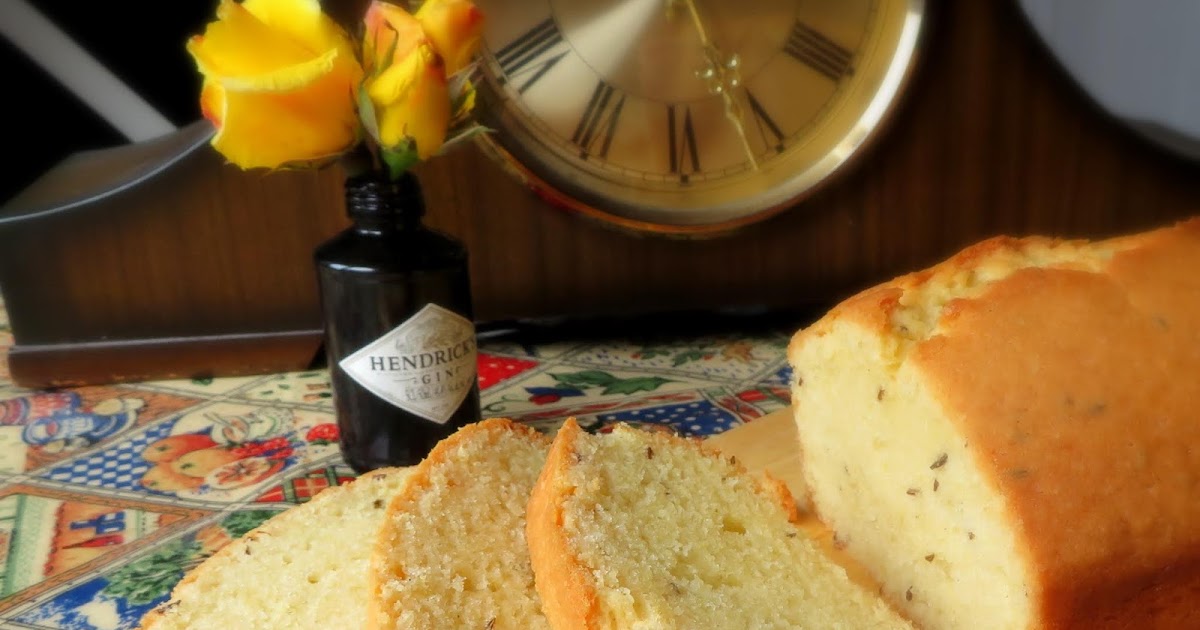
Recipes Using Caraway




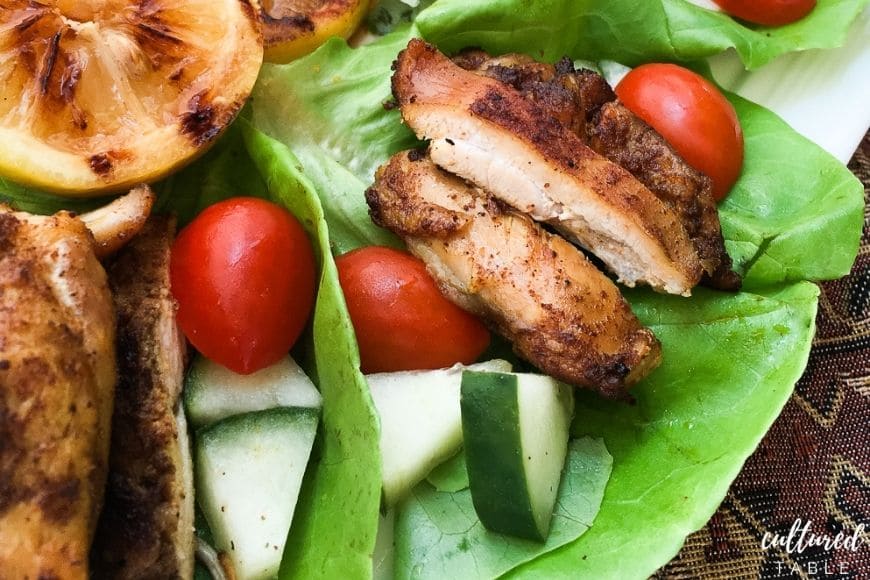
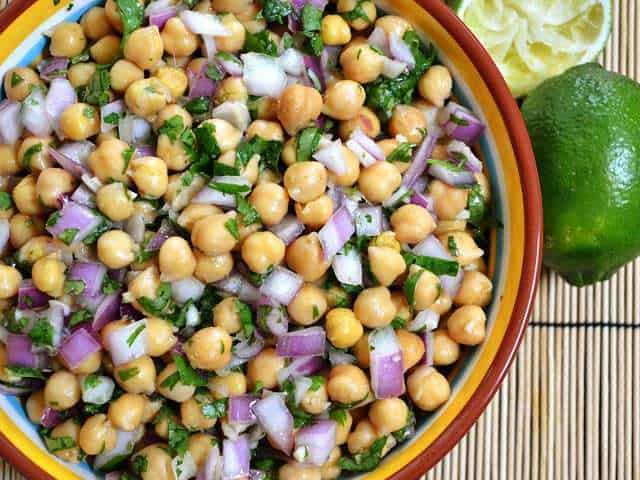
Recipes Using Cumin




Great article. Thank you!